830-992-9526
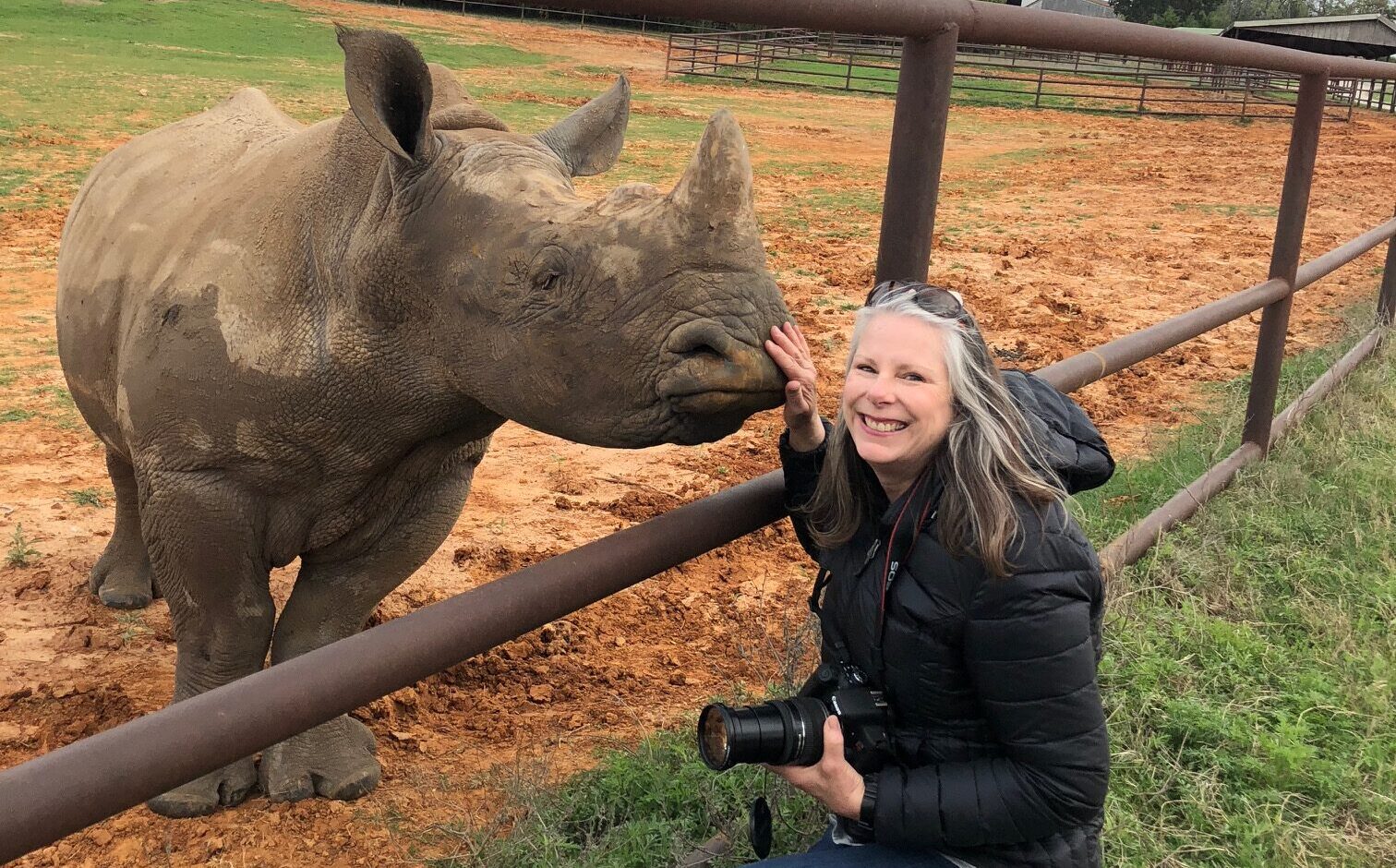
 Over the past 37 years, my career has given me the incredible opportunity to work with three species of rhino—the White Rhinoceros, Black Rhinoceros, and Greater One-Horned Rhinoceros. While each species is extraordinary in its own way, the black rhino stole my heart.
There’s something undeniably captivating about them. Black rhinos are intelligent, complex, and, at times, wonderfully challenging. They’re known for their strong personalities and highly specific care needs—both in the wild and under human care.
In their natural habitat, black rhinos are remarkable browsers, capable of consuming over 500 different plant species. One of those plants, euphorbia, is toxic to many animals—and even humans—yet black rhinos can eat it without harm. In managed care, however, they can be prone to Iron Overload Syndrome, making their diet incredibly important. Something as routine as feeding becomes a thoughtful, highly intentional process designed to support their long-term health.
What fascinates me even more is what’s happening beneath the surface. Black rhinos have the lowest ATP levels in their red blood cells of any mammal—only about 2–5%. ATP is the primary energy source for cells, and this unusually low level can make them more susceptible to certain health conditions, including hemolytic anemia. Yet, scientists believe this same trait may offer an advantage in the wild, helping them resist certain parasites.
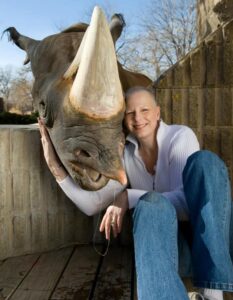
Chris Bobko and Mshindi.
To me, black rhinos are the very definition of beauty—power, grace, and resilience wrapped into one awe-inspiring animal.
One rhino, in particular, will always hold a special place in my heart: Mshindi. I had the privilege of caring for him throughout his 21 years, an experiencethat is incredibly rare in this field. To witness a rhino grow and move through every stage of life is something that stays with you forever. Mshindi was truly remarkable—gentle, soulful, and deeply impactful. He touched the lives of countless people who had the chance to meet him.
More than anything, he taught me some of life’s greatest lessons: unconditional love, patience, and persistence.
Why This Matters Now, More Than Ever
Stories like this are exactly why conservation work matters.
Black rhinos are critically endangered, and protecting them requires not only boots-on-the-ground efforts but also global awareness, education, and support. Every conversation, every visit, every glass of wine shared in their honor helps move that mission forward.
Join Us: Operation Black Rhino — An Evening with Ol Pejeta
We invite you to be part of that mission.
Operation Black Rhino: An Evening with Ol Pejeta is a powerful night dedicated to conservation, storytelling, and connection on Thursday, April 30th from 6:30 PM – 9:00 PM at the Rhinory in Fredericksburg, TX. Tickets are $100 per guests and 100% of ticket sales are donated directly to Ol Pejeta Conservancy.
Join us as we welcome the team from Ol Pejeta Conservancy, the sanctuary protecting the largest population of black rhinos in Eastern Africa and caring for the last two remaining northern white rhinos on Earth.
Hear firsthand from CEO Justin Heath and Head of Security Abraham as they share stories from the front lines of conservation—real experiences, real challenges, and real impact.
Enjoy a curated selection of Rhinory wines paired with artisan charcuterie during this intimate and meaningful evening.
This special event is proudly presented in partnership with San Antonio Zoo, The Rhinory, Longneck Manor, and Ol Pejeta Conservancy.
Be Part of the Story
What we protect today shapes what we can experience tomorrow.
Join us for an evening that connects passion with purpose—and helps ensure that future generations will know the beauty of the black rhino.
Purchase your tickets today!